 About Jennifer Barber
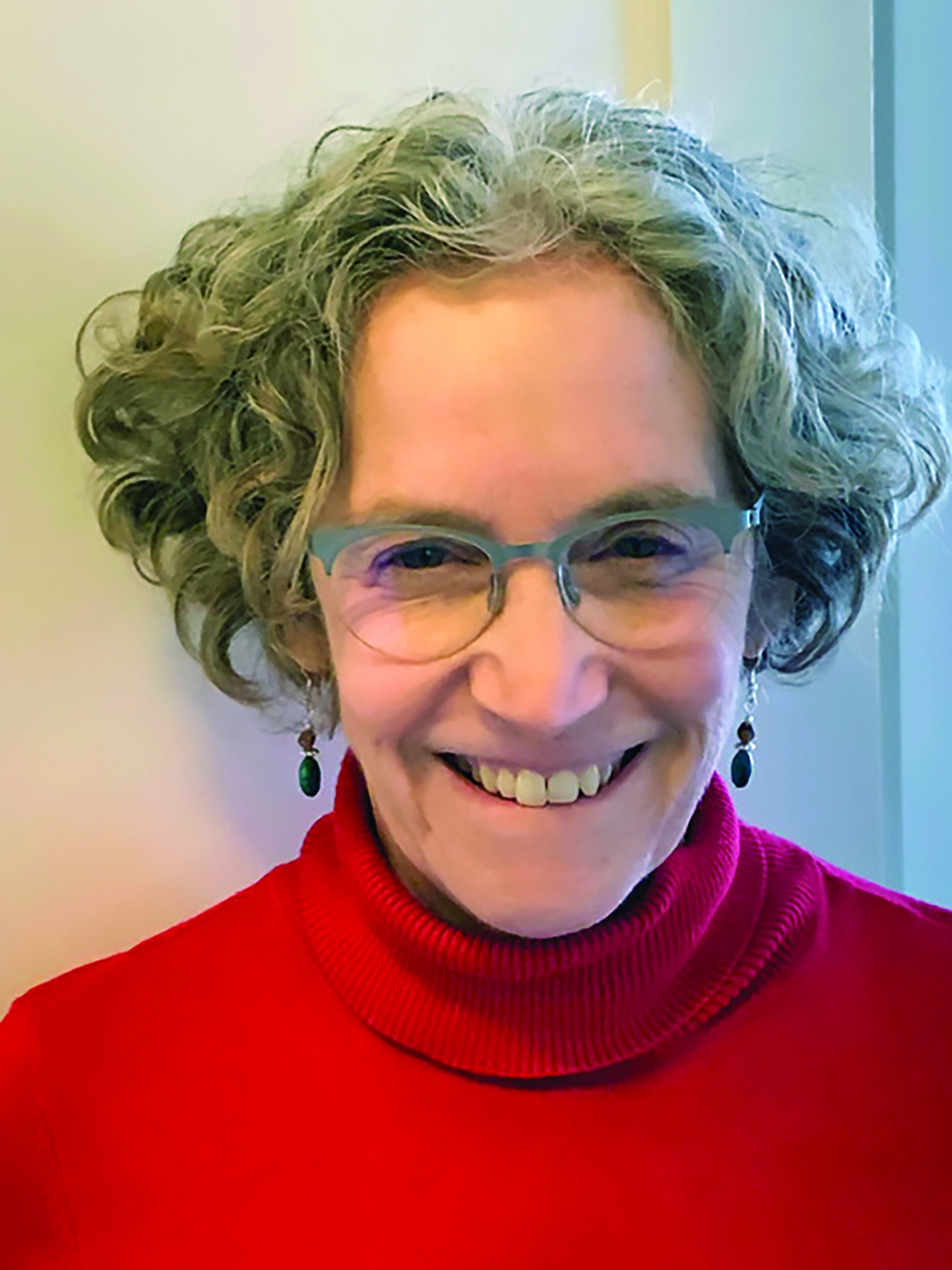
Jennifer Barber’s previous poetry collections are The Sliding Boat Our Bodies Made, Works on Paper, Given Away, and Rigging the Wind. Her work appears in several anthologies, and she is a co-editor of the anthology Tree Lines: 21st Century American Poems and of Blood Moon, a posthumous collection of poems by Carol Dine. Barber founded the literary journal Salamander in 1992 and was its editor in chief through 2018. She served as poet laureate of Brookline, Massachusetts, from 2021 to 2025.
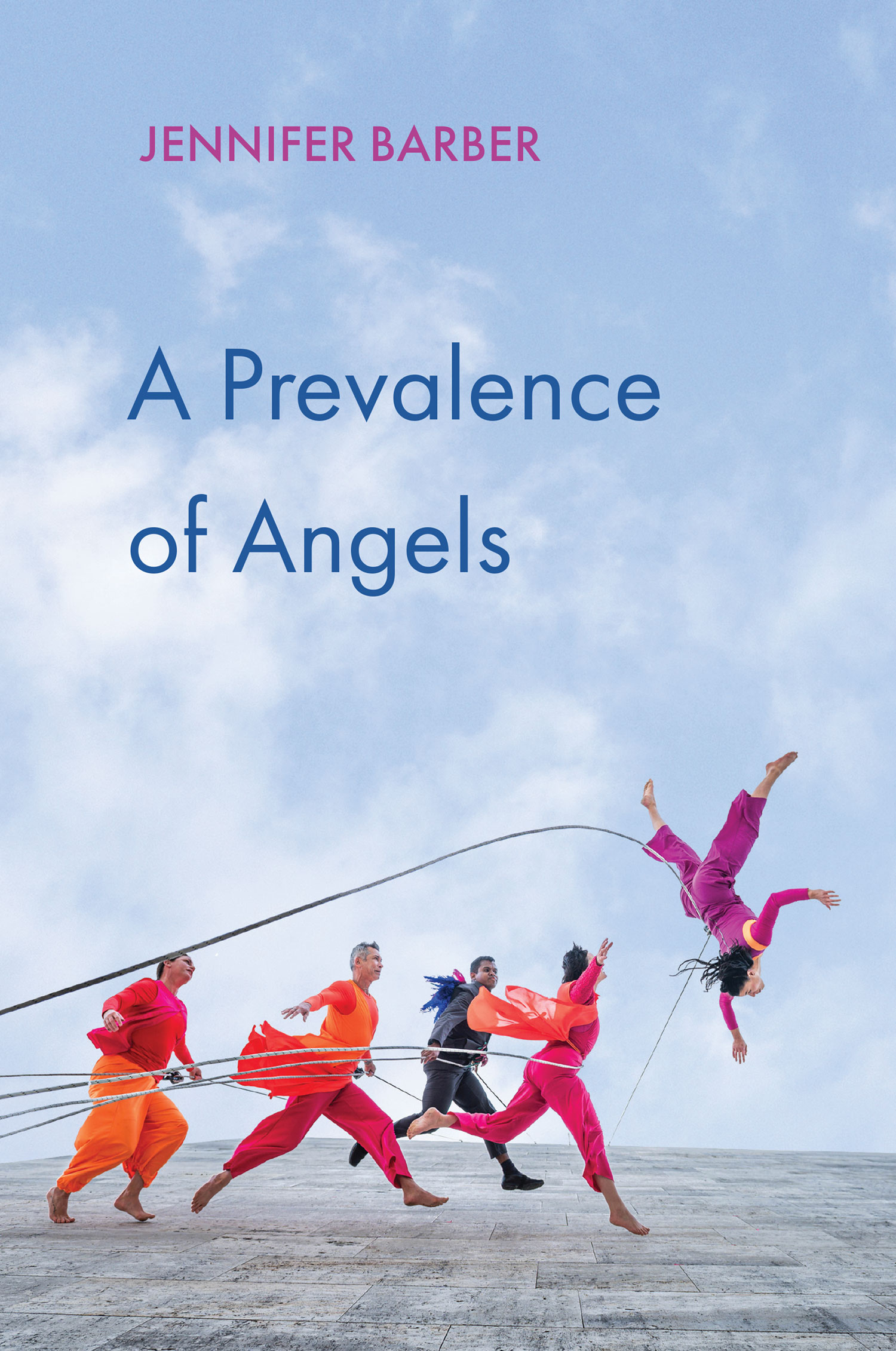
Praise for A Prevalence of Angels
More than the angels in the title, it’s sunlight and trees and wind and stones whose beautiful language watches over this book. Ms. Barber’s love for her mother and her sorrow at her death figure large, but so do other kinds of losses—R. who jumped; a friend her father’s age she sees “thinning like a twig in the elsewhere wind.” Here are some turns that especially moved me: of lying in bed, “one hand traced the other/the way an infant does/not knowing how to tell what is part of her and what is not”; of a long-term companion: “We are more than friends/there is no word for what we are” and “I could live another twenty years/with no inkling, though I lean/against the trunk of the giant oak/until the leaves cover my feet.” When, finally, she takes us home and leaves us there, what can we feel but glad we came?—Lola Haskins, author of Homelight: Poems and Like Zeros, Like Pearls
In her newest collection, A Prevalence of Angels, Jennifer Barber reaches toward mystery, grief, and the fragile borders between the human and the divine. Her angels emerge not in glory but as uncertain shapes, restless with doubt, sharpened by longing. With a music that transforms and connects, the poems turn to the natural world—a robin tilting its head to ask, “What is wisdom?”—and to the personal landscape of loss, whether in mourning a mother’s absence or remembering a friend who chose death. While Barber reminds us how life often resists consolation, pushing us toward distances we can’t bridge, she balances intimacy and cosmic expanse, her angels appearing in moments of stillness as well as in sudden force: “They shake their wings open./They hinge them shut.”—Dzvinia Orlowsky, author of Bad Harvest and Those Absences Now Closest