 About Lisa Rosenberg
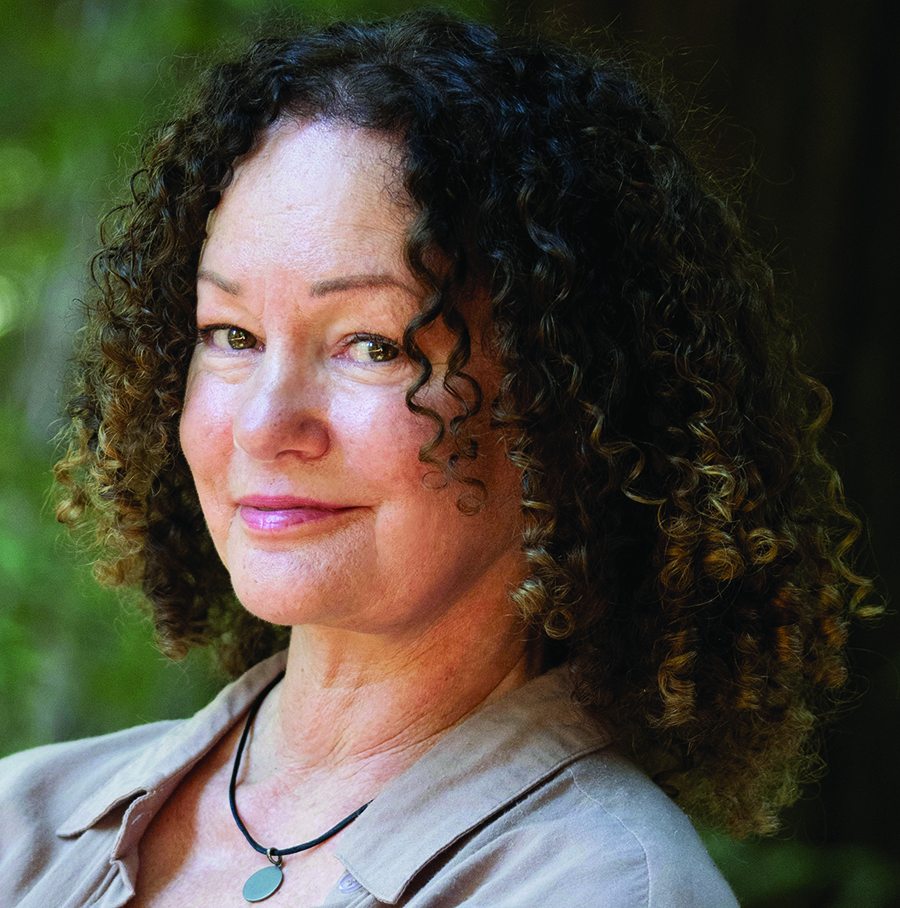
Lisa Rosenberg is a poet and former space program engineer whose work explores systems and shared tools of arts and sciences. She served as Poet Laureate of San Mateo County, California, and has been recognized by a Djerassi Residency and Wallace Stegner Fellowship. Her debut collection, A Different Physics, received an American Legacy Book Award.
Praise for Weeds and Stars
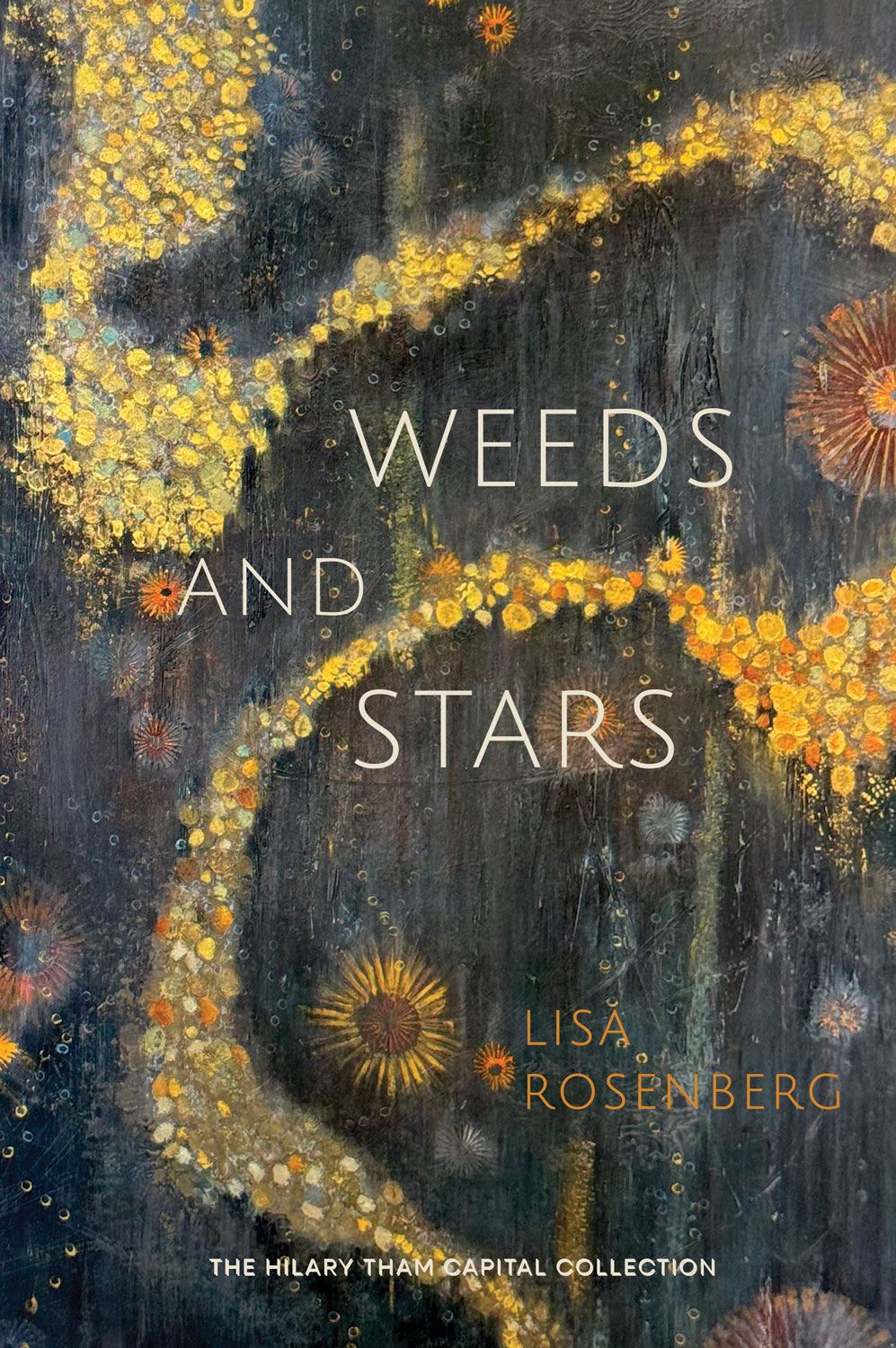
Weeds and Stars invites us to savor and wander about a garden of delights, in poems where the new jostles with the old, building on great past meditations and casting a cool eye on contemporary politics and nature. I feel gutted, and yet I feel affirmed reading these poems. Rosenberg, like Whitman before her, gives us hope. “What’s spent/re-furls beside the seasonless,/the new, the unassuming shoots,/the next self-seeders taking root.” Let us praise the self-seeders, these sustainable poems, these marvelous metaphors.— Indran Amirthanayagam, editor of Beltway Editions, author of Seer
In an age of velocity and vanishing attention, Rosenberg’s poems offer a lucid countercurrent—an herbarium of the manifold world, tenderly pressed and reanimated through language. Fragrant, kindred, and artfully precise, Weeds and Stars gathers the resilient and the overlooked alike: chamomile, urchins, minor moons, and more—each rendered strange and radiant, remaking what we think we know of belonging, of wildness, of worth. Ecologically lush and captivating, Weeds and Stars travels from our galactic center to seabeds and suburban interiors, reminding us of poetry’s power to reawaken wonder in a wounded world.— Katherine Larson, author of Wedding of the Foxes
These exquisitely calibrated poems offer a surprising combination of artistry and nature, as well as the artistry found in nature, to convey tentative hope for the future. Along with the ravages of climate change, we are reminded that wildfire fosters germination of seeds, and pandemic darkens a world that also includes blossoms and seasons and skies utterly unaffected by contagion. Rosenberg’s skillful use of form mimics nature’s wild patterning and gives us a way, perhaps, to chart a path through our chaotic times. I highly recommend this book to help us all with that.— Rebecca Foust, author of ONLY